Ultimate Guide on How to Care for Tulips
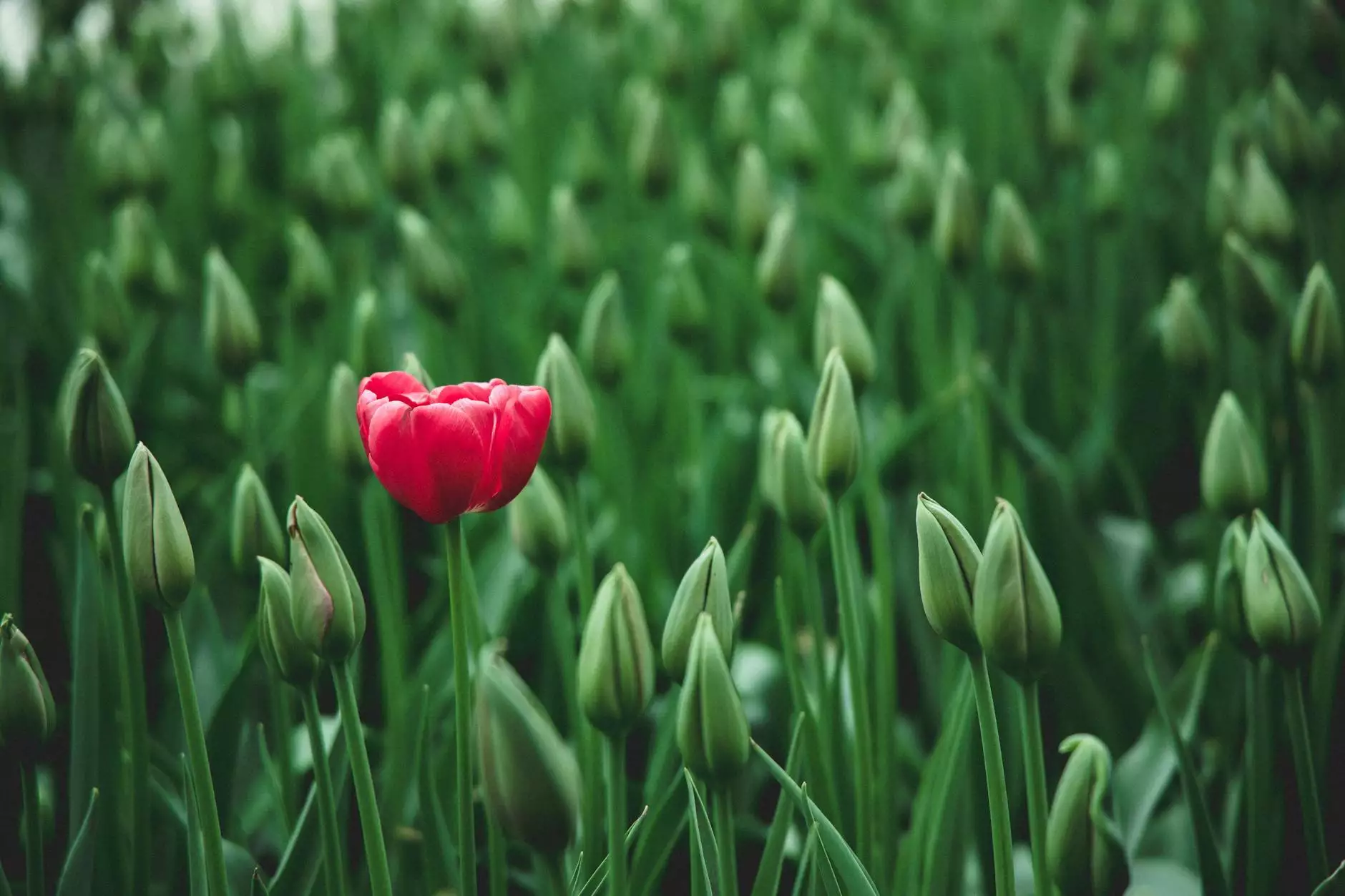
When it comes to creating stunning floral displays, few flowers can match the elegance and charm of tulips. These botanical beauties are a beloved choice among gardeners and landscape designers for their vibrant colors and graceful shapes. However, achieving a spectacular tulip garden requires understanding how to care for tulips properly, from planting to post-bloom maintenance. In this comprehensive guide, we will delve into every aspect of tulip cultivation, sharing expert tips and techniques to help you enjoy a lush, colorful garden season after season.
Understanding Tulips: An Overview
Tulips (genus Tulipa) are perennial flowering plants native to the Middle East and Central Asia. They are renowned for their cup-shaped flowers that come in a rainbow of colors, including red, yellow, pink, white, purple, and even multi-colored varieties. Tulips bloom in the spring, typically from March to May, depending on the climate.
While they symbolize perfect love and elegance, cultivating healthy tulips requires knowledge of their specific needs. With proper care, tulips can thrive year after year, providing breathtaking displays and enriching your garden's aesthetic appeal. Now, let's explore the essential steps on how to care for tulips.
Choosing the Right Tulip Bulbs for Your Garden
Start with high-quality bulbs. The foundation of healthy tulips lies in selecting the best bulbs possible. Look for bulbs that are firm, plump, and free from mold, soft spots, or signs of damage. Purchasing from reputable suppliers like Tulips.co.uk ensures you receive healthy, disease-free bulbs.
- Variety selection: Choose from a wide array of tulip varieties suited to your climate and aesthetic preferences. Some popular types include Darwin Hybrid, Single Early, Lily-Flowered, Parrot, and Fosteriana tulips.
- Size matters: Larger bulbs generally produce bigger flowers and more vigorous plants. Opt for bulbs weighing at least 11 cm (4.5 inches) for optimal results.
Preparing Your Garden for Tulips
Proper preparation of your planting site is crucial for how to care for tulips. The ideal location offers full sunlight, well-draining soil, and protection from strong winds. Here are the steps to prepare your garden:
- Choose a sunny spot: Tulips thrive in areas that receive at least 6 hours of direct sunlight daily. Proper sunlight encourages robust flowering and healthy growth.
- Improve soil drainage: Tulips dislike waterlogged soil, which can lead to bulb rot. Incorporate organic matter like compost or sand to enhance drainage and soil fertility.
- Weed control: Remove weeds that compete for nutrients and interfere with establishing healthy tulips.
- pH balance: Tulips grow best in slightly acidic to neutral soil, with a pH between 6.0 and 7.0. Conduct a soil test and amend accordingly.
Planting Tulip Bulbs: Step-by-Step Guide
Timing is essential when planting tulip bulbs. The best period is in autumn, at least 6-8 weeks before the first expected frost. Follow these detailed steps to ensure successful planting:
Step 1: Determine the Correct Depth
Plant bulbs at a depth approximately 2 to 3 times the height of the bulb. For most tulips, this means about 4-6 inches deep (10-15 cm). Deeper planting helps protect bulbs during winter and promotes healthier growth.
Step 2: Prepare the Soil
Loosen the soil at the planting site to facilitate root development. Mix in organic compost or well-rotted manure to provide essential nutrients.
Step 3: Position the Bulbs Correctly
Place the bulbs pointed side up in the prepared hole. Ensure there is adequate space—generally, space bulbs 4-6 inches apart—to allow room for growth and airflow.
Step 4: Cover and Water
Backfill the hole with soil, pressing gently to eliminate air pockets. Water thoroughly after planting to settle the soil and initiate root growth.
Optimal Care During Growth Season
Once planted, your tulips require ongoing care to ensure healthy development and vibrant blooms. Here’s a guide on how to care for tulips during their active growth phase:
- Watering: Keep the soil evenly moist but not waterlogged. Water deeply whenever the top inch of soil feels dry, especially during dry periods.
- Mulching: Apply a layer of mulch, such as shredded bark or straw, to conserve moisture, suppress weeds, and regulate soil temperature.
- Fertilizing: Incorporate a balanced, slow-release bulb fertilizer at planting. Reapply a light feeding with a liquid fertilizer in early spring as shoots emerge for enhanced flowering.
- Support and protection: Tall tulip varieties may require staking or support to prevent wind damage. Additionally, protect tulips from pests like rodents and deer with fencing or repellents.
Post-Bloom Care and Maintenance
Knowing how to care for tulips doesn’t end with flowering. Proper post-bloom routines are essential to maintain bulb health and enjoy future blooms:
- Deadheading: Remove spent flowers promptly to prevent seed formation, which can drain energy from the bulb.
- Foliage care: Allow the foliage to yellow naturally, as this enables the plant to Photosynthesize and store energy in the bulb for next season.
- Fall bulb cleanup: After leaves die back, gently remove any remaining foliage and debris. Avoid disturbing the bulbs.
- Bulb lifting and storage: In zones with harsh winters or poorly draining soil, consider lifting bulbs after foliage dies back, cleaning, and storing in a cool, dry place until replanting in autumn.
Long-Term Strategies for Healthy Tulip Gardens
To continually enjoy flourishing tulip displays, additional practices are recommended:
- Dividing and Replanting: Every 3-5 years, divide crowded tulip bulbs to prevent diminished flowering and ensure healthy growth.
- Crop Rotation: Avoid planting tulips in the same bed year after year to reduce disease build-up and soil depletion.
- Choosing Resistant Varieties: Select disease-resistant cultivars and reputable suppliers to minimize issues like bulb rot and fungal infections.
- Implementing Organic Practices: Use organic fertilizers and pest repellents to maintain ecological balance and promote healthy root systems.
Expert Tips to Enhance Your Tulip Care Routine
To go beyond basic care and truly master how to care for tulips, consider these expert strategies:
- Soil amendments: Regularly test and amend your soil with compost to maintain optimal fertility and structure.
- Planting depth variation: Experiment with planting depth and bulb varieties to achieve staggered flowering and extended display.
- Companion planting: Combine tulips with complementary plants like forget-me-nots, hyacinths, or muscari for richer color schemes and ecological benefits.
- Climate adaptability: Educate yourself on how your local climate impacts tulip growth and adjust watering, fertilizing, and planting times accordingly.
Conclusion: Mastering the Art of Tulip Care
Mastering how to care for tulips involves a combination of careful selection, precise planting, attentive maintenance, and thoughtful post-bloom routines. By following these detailed guidelines, you can cultivate a resilient, colorful tulip garden that captivates viewers and provides joy for many seasons. Remember, patience and consistency are key. With the right approach, your tulips will reward you with spectacular blooms year after year.
For the widest variety of high-quality tulip bulbs and expert advice, visit Tulips.co.uk, your trusted partner in creating beautiful and thriving tulip gardens.